For many European riders, winter does not mean stopping e-bike riding until spring. An electric bike can still be one of the most convenient ways to travel during colder months, especially for daily commuting.
However, winter riding comes with different challenges compared with summer:
- Lower temperatures
- Wet and slippery roads
- Reduced daylight hours
- Shorter battery range
- More exposure to rain, mud, and road salt
A good winter commuter should provide:
- Stable handling on changing road conditions
- Suitable tire performance
- Reliable battery capacity
- Comfortable riding position
- Easy maintenance
👉 This guide explains what makes an e-bike suitable for winter riding in Europe and how to choose the right model for your daily commute.
Can You Ride an E-Bike During Winter?
Yes, many riders continue using e-bikes throughout winter. In most European countries, the biggest challenges are not extreme snow conditions, but everyday winter weather:
- Rain
- Cold mornings
- Wet roads
- Mud
- Road salt
For commuters, an e-bike can remain a practical transportation option during winter because it provides faster travel compared with walking, lower running costs than driving, and flexible urban transportation.
👉 With the right preparation and equipment, a winter e-bike can handle daily commuting throughout the colder months.
Winter Riding Conditions Across Europe
Winter riding conditions vary depending on the region.
Germany and the Netherlands
Many riders use e-bikes for everyday transportation, even during colder months. Common conditions include rainy mornings, wet bike lanes, cold temperatures, and frequent commuting. For these environments, stability and reliable battery performance are important.
France and Italy
Urban riders often deal with wet roads, changing temperatures, and city traffic. A comfortable commuter e-bike with good handling can be a practical choice.
Poland and Northern Europe
Colder climates may bring lower temperatures, longer winter seasons, and more challenging road conditions. Riders may benefit from bikes with:
- Wider tires
- Larger battery capacity
- More stable handling
What Makes a Good Winter Commuter E-Bike?
A winter-ready e-bike does not need to be designed only for snow. Instead, it should handle the conditions riders experience most often. The most important factors include tire performance, battery capacity, riding position, motor assistance, weather protection, and maintenance requirements.
1. Choose the Right Tires for Winter Riding
Tires are one of the most important factors when riding during winter. Cold and wet roads can reduce grip, especially on wet leaves, gravel, mud, and uneven surfaces.
A wider tire provides:
- More road contact
- Better stability
- More confidence on mixed terrain
This is why many riders choose fat tire e-bikes for winter commuting. Fat tires are especially useful for countryside roads, gravel paths, parks, and poor-quality roads. However, riders who mainly commute on smooth city streets may prefer a regular commuter e-bike with efficient tires.
👉 You can learn more about the differences between these two categories in our guide: Fat Tire E-Bike vs Regular E-Bike
2. Battery Performance: How Cold Weather Affects Range

Battery performance is one of the biggest concerns for winter e-bike riders. Cold temperatures can temporarily reduce lithium-ion battery efficiency. This means riders may notice:
- Shorter riding range
- Faster battery percentage changes
- Longer charging times
A larger battery capacity can provide more flexibility during winter. When choosing a winter commuter e-bike, consider your daily distance, available charging locations, and extra range needed during colder weather.
How to Protect Your E-Bike Battery in Winter:
-
Store the battery indoors — Keeping the battery in a warmer environment helps maintain better performance. Avoid leaving the battery outside overnight in very cold conditions.
-
Let the battery warm before charging — If the battery has been exposed to low temperatures, allow it to return closer to room temperature before charging.
3. Comfortable Riding Position for Winter Commuting
Winter riding often means thicker jackets, gloves, extra layers, and less daylight. A comfortable riding position becomes even more important. For daily commuting, many riders prefer:
- Upright riding position
- Easy handling
- Better visibility
👉 A relaxed riding position helps make longer winter trips easier and more enjoyable.
4. Motor Assistance: Smooth Power Matters More Than Maximum Power
A powerful motor is not always the most important factor for winter riding. During wet or slippery conditions, smooth assistance is often more useful than aggressive acceleration. A good winter commuter e-bike should provide smooth starting power, reliable assistance, and good control.
5. Winter E-Bike Accessories You Should Consider
The right accessories can make winter riding much more comfortable.
-
Full Fenders — Help protect you from water spray, mud, and road dirt. Especially useful for daily commuting.
-
Front and Rear Lights — Winter means shorter daylight hours. Good lighting improves visibility during early morning rides, evening commutes, and rainy weather.
-
Waterproof Bags — Help protect work items, electronics, and personal belongings during wet conditions.
-
Battery Protection — Battery covers or indoor storage solutions can help protect battery performance in colder weather.
Fat Tire E-Bike vs Regular E-Bike for Winter Riding
Both types can work well during winter, but they suit different riders.
| Feature |
Fat Tire E-Bike |
Regular E-Bike |
| Wet road stability |
Excellent |
Good |
| Comfort on rough roads |
Higher |
Good |
| Gravel and mixed terrain |
Better |
Limited |
| City efficiency |
Good |
Better |
| Winter confidence |
Higher |
Good |
| Weight |
Usually heavier |
Usually lighter |
Choose a fat tire e-bike if you often ride mixed surfaces, gravel roads, parks, or uneven routes. Choose a regular commuter e-bike if you mainly ride city streets, bike lanes, or smooth pavement.
Best Bodywel E-Bikes for Different Winter Riding Needs
Different riders need different winter setups. Instead of choosing the most powerful model, choose the bike that matches your daily environment.
| Model |
Best For |
Why It Fits Winter Riding |
| Bodywel F20 |
City + mixed roads |
Fat tires provide extra stability and comfort |
| Bodywel F20 Pro |
Longer winter rides |
More capability for extended routes |
| Bodywel D9 |
Outdoor winter routes |
Designed for challenging terrain |
| Bodywel A26 |
Urban winter commuting |
Comfortable city riding |
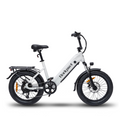
Best for Mixed Roads: Bodywel F20 Fat Tire E-Bike
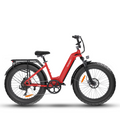
For riders who travel between city streets, parks, and mixed surfaces, the Bodywel F20 is a versatile choice. Its fat tire design helps provide better stability, more comfort on uneven roads, and more confidence in changing conditions. It is suitable for riders who want one e-bike that can handle both everyday transportation and weekend riding.
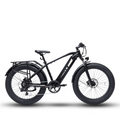
Best for Longer Winter Rides: Bodywel F20 Pro Fat Tire E-Bike

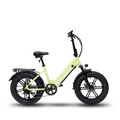
For riders who need extra capability for longer journeys, the Bodywel F20 Pro provides a more adventure-oriented riding experience. It is suitable for longer commutes, weekend exploration, and mixed terrain riding. The wider tire setup helps improve comfort when roads become less predictable.
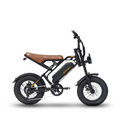
Best for Outdoor Winter Routes: Bodywel D9 Fat Tire MTB E-Bike
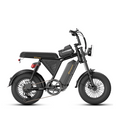
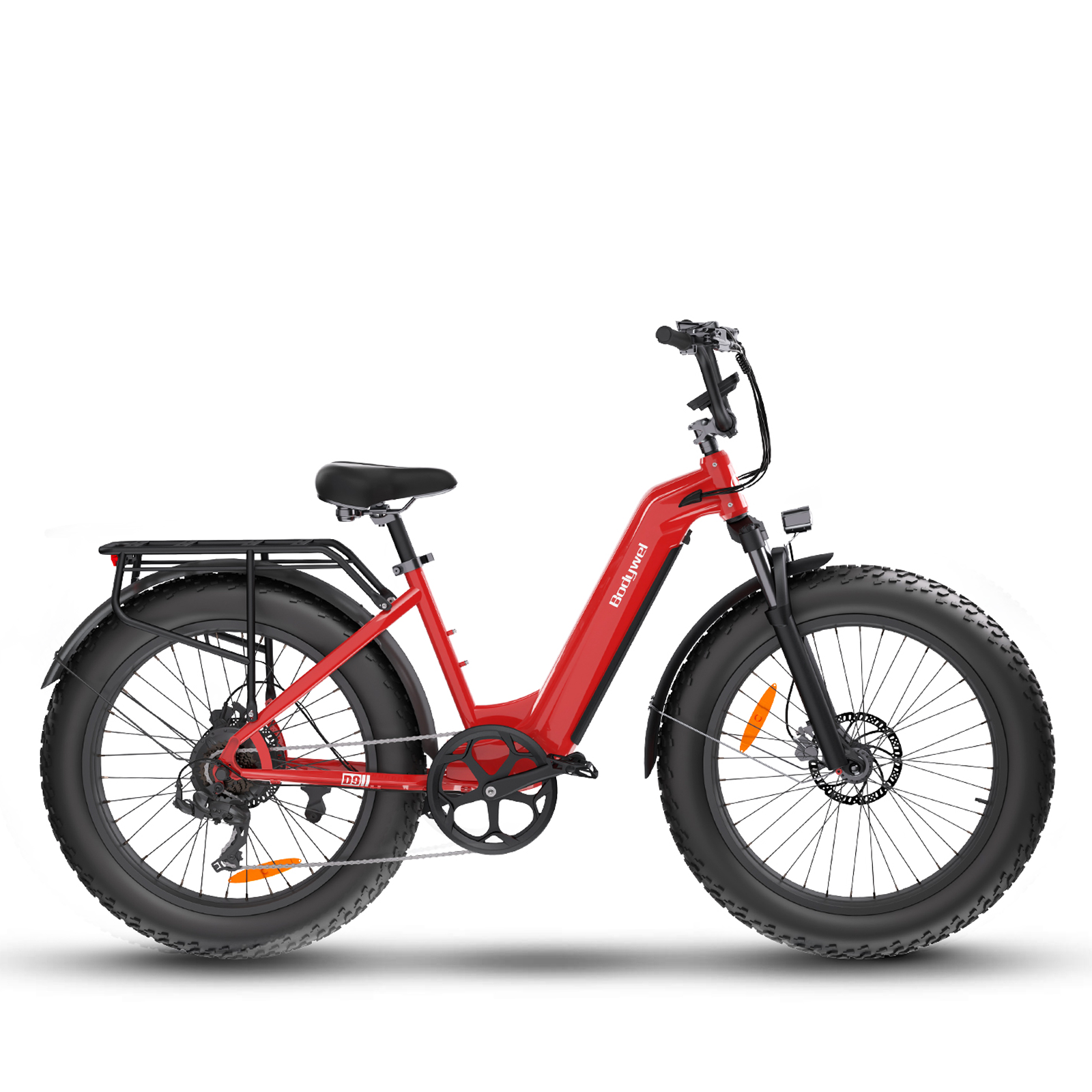
For riders who regularly explore beyond normal city roads, the Bodywel D9 is designed for more challenging environments. It is suitable for outdoor paths, uneven terrain, and adventure riding. Compared with city-focused models, the D9 places more emphasis on stability and control.
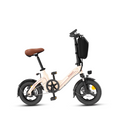
Best for City Winter Commuting: Bodywel A26 City E-Bike
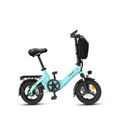
For riders who mainly commute through urban areas, the Bodywel A26 provides a comfortable city riding solution. It is suitable for daily work trips, city transportation, and shopping and errands. For riders who spend most winter rides on paved roads, a commuter-focused e-bike can be the most practical choice.
Winter E-Bike Buying Checklist
Before choosing a winter commuter e-bike, ask:
- Does the battery provide enough range for colder conditions?
- Are the tires suitable for wet roads?
- Is the riding position comfortable with winter clothing?
- Can the battery be stored indoors?
- Does the bike fit your daily route?
- Do you need a fat tire design or a city commuter model?
Frequently Asked Questions
Are e-bikes good for winter commuting?
Yes. E-bikes can be reliable winter transportation when properly maintained. Choosing suitable tires, protecting the battery, and cleaning the bike regularly are important for winter use.
Does cold weather reduce e-bike battery range?
Yes. Cold temperatures can temporarily reduce battery efficiency and available range. Keeping the battery indoors and choosing enough battery capacity can help during winter.
Are fat tire e-bikes better for winter?
Fat tire e-bikes can provide better stability and comfort on wet roads, gravel, and uneven surfaces. However, riders who mainly use smooth city roads may prefer a regular commuter e-bike.
Can I leave my e-bike outside in winter?
It is better to store your e-bike in a dry place when possible. Cold temperatures, moisture, and road salt can increase maintenance needs over time.
Are fat tire e-bikes better in snow?
Fat tires can provide more stability in some snowy conditions, but they are not a replacement for proper winter tires or safe riding habits. Riding conditions and tire choice are more important than tire width alone.
Final Thoughts
Winter does not have to stop you from riding an e-bike. The best winter commuter is not necessarily the bike with the biggest motor or largest battery — it is the one that matches your daily environment.
A fat tire e-bike like the Bodywel F20 series can provide extra confidence on mixed roads, while a commuter model like the Bodywel A26 may be the better choice for everyday city riding.
👉 With the right bike, accessories, and maintenance routine, an e-bike can remain a dependable transportation option throughout the European winter.