Battery capacity is one of those specs that almost everyone checks first when shopping for an e-bike. Range anxiety is real, especially if you’re new to electric bikes.
I’ll be honest — when I first started comparing e-bike batteries, I assumed the biggest one was always the safest choice.
It took a bit of real-world riding (and a few unnecessary recharges) to realize that this way of thinking doesn’t always hold up.
The truth is, battery choice has far more to do with daily habits than with chasing the highest number on a spec sheet.
1. What E-Bike Battery Capacity Really Means
Before looking at range estimates, it helps to understand what battery capacity actually represents — and what it doesn’t.
Battery Capacity Explained (Wh)
Battery capacity is measured in watt-hours (Wh), representing the total energy the battery can store.
|
Battery Capacity
|
What It Means in Practice
|
|
250Wh
|
Can supply 250W for 1 hour
|
|
500Wh
|
Can supply 250W for 2 hours
|
|
750Wh
|
Can supply 250W for 3 hours
|
These numbers are theoretical values. Real riding involves changing assist levels, stops, hills, and wind, etc. This is why range never feels as clean as the math suggests.
Voltage, Amp-Hours, and Capacity
Battery capacity comes from two values - Voltage & Amp-hours
Voltage mainly affects how efficiently power is delivered to the motor. In practice, you'll notice that higher voltage systems generally respond more quickly, especially during acceleration or uphill climbing. This is why many modern e-bikes use 36V ebike battery or higher setups — they allow the motor to work more smoothly under load.
Amp-hours (Ah) indicate the amount of time a battery can supply power. A higher amp-hour rating means the battery can provide power for a longer period, which directly affects the overall riding time and range.
Wh = V × Ah; 36V × 10Ah = 360Wh; 36V × 14Ah = 504Wh

2. How Battery Capacity Affects Real Range
In theory, a larger battery means longer range. In reality, it depends — sometimes more than riders expect.
|
Factor
|
Impact on Range
|
|
Assist level
|
Higher assist drains battery faster
|
|
Terrain
|
Hills reduce range significantly
|
|
Rider weight
|
Heavier loads increase power draw
|
|
Weather
|
Cold temperatures reduce efficiency
|
I’ve seen riders with 700Wh batteries complain about range, while others with much smaller batteries ride all week without charging. More often than not, riding style matters more than battery size.
3. Typical Range by Battery Size
The table below reflects what most riders experience under mixed, real-world conditions.
|
Battery Size
|
Typical Range
|
Best Use Case
|
|
250Wh
|
30–50 km
|
Short city commutes, errands
|
|
500Wh
|
60–100 km
|
Daily commuting, longer urban rides
|
|
700Wh+
|
100–150 km+
|
Long-distance riding, heavier loads
|
These figures are useful reference points — not guarantees.
In daily use, range tends to feel less predictable than spec sheets suggest.
4. How Battery Size Changes the Riding Experience
Battery capacity affects more than just distance.
Weight and Handling
|
Battery Size
|
Riding Feel
|
|
Smaller battery
|
Lighter, easier to carry and maneuver
|
|
Larger battery
|
More stable at speed, heavier when lifting
|
This becomes noticeable when folding the bike, carrying it upstairs, or taking it onto public transport.
Size and Integration
Larger battery of ebike also take up more space, which can affect:
- Foldability
- Frame proportions
- Portability
For many city riders, a slightly smaller battery actually makes the bike more enjoyable to live with day to day.

5. Practical Tips to Extend Battery Life
Regardless of size, good habits help preserve long-term performance.
|
Habit
|
Recommendation
|
|
Charging
|
Keep between 20%–80% for daily use
|
|
Storage
|
Dry place, ebike battery bag, ebike battery cover
|
|
Temperature
|
Avoid extreme heat or cold
|
These details are easy to overlook, but they make a noticeable difference over time.
Recommended Bodywel E-Bikes Based on Battery Use
Bodywel designs its e-bikes around realistic riding scenarios — not just maximum specifications.
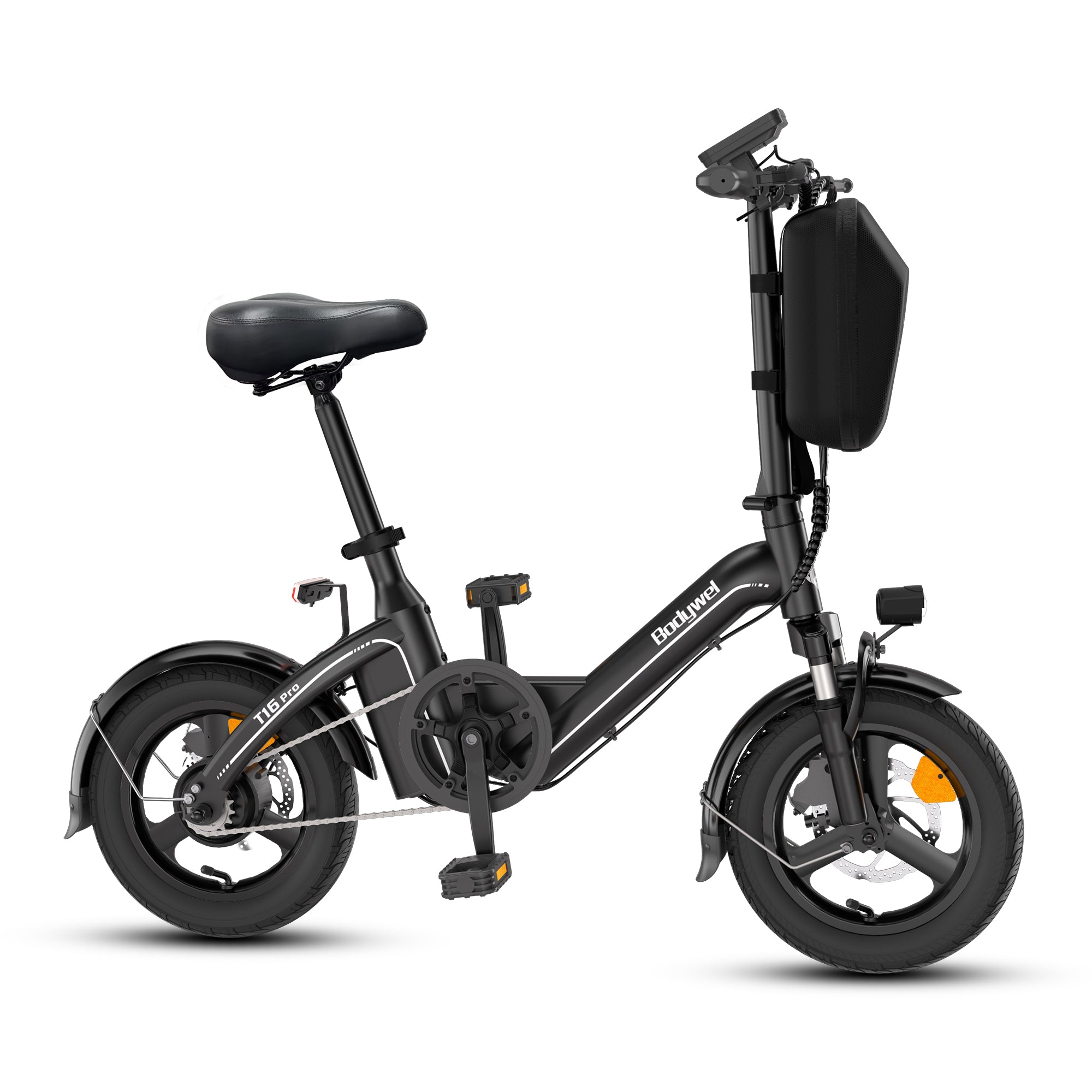
Bodywel T16 Pro – Efficient Power for Urban Riding
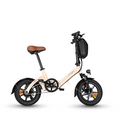
The Bodywel T16 Pro ebike for commute is designed with daily commuting in mind. Its battery is optimized to provide just the right amount of power for short to medium urban rides, without adding unnecessary bulk. Weighing approximately 21 kg, the bike remains lightweight and easy to carry or fold for storage. The front suspension smooths out bumps on uneven city roads, making rides more comfortable, while the overall design ensures compliance with European Pedelec regulations. For riders who prioritize portability and simplicity, the T16 Pro delivers a practical range and a hassle-free urban riding experience.
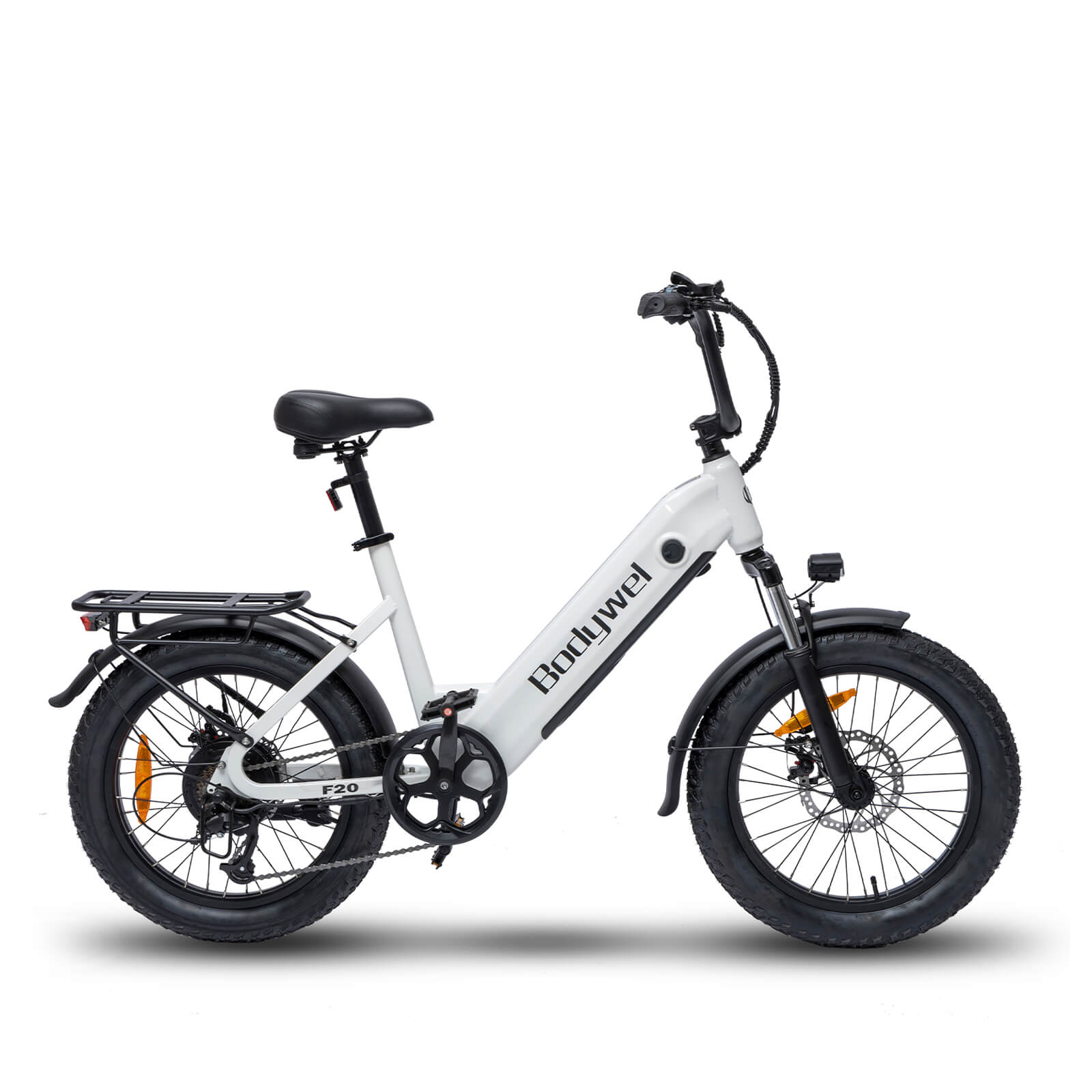
Bodywel F20 Series – More Capacity, More Confidence
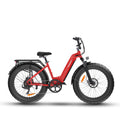
The Bodywel F20 Series is aimed at riders who need more endurance and stability. It comes with 48V ebike battery to support longer trips and heavier loads. Wide tires enhance grip and provide better control on wet or uneven surfaces, while the bike’s design accommodates various riding styles — from city streets to light off-road trails. For anyone looking for extra confidence on longer rides without going to extreme setups, the F20 Series offers a balanced combination of power, stability, and versatility.
Final Thoughts
There isn’t a single “correct” battery for ebike that works for everyone — and that’s probably the most important takeaway here.
If your rides are short and predictable, a moderate-capacity battery keeps things light and convenient. If you ride longer distances or carry extra weight, more capacity makes sense.
The best ebike battery choice usually isn’t the biggest one. It’s the one that fits naturally into your daily routine.