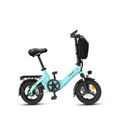
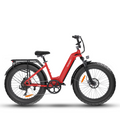
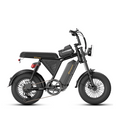
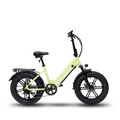
Riding an eBike in summer heat is enjoyable, but it also brings hidden risks for battery systems. Lithium-ion batteries are highly sensitive to temperature, and improper charging in hot conditions can significantly reduce lifespan or even create safety hazards.
Understanding high temperature eBike charging behavior is essential for every rider. This guide explains why heat is dangerous, how to properly charge your eBike in hot weather, and what practical steps you can take to ensure long-term reliability and safety.
Why High Temperature Is the Biggest Threat to eBike Batteries
Modern eBike batteries rely on lithium-ion chemistry, which performs best in moderate conditions. When exposed to excessive heat—especially during charging—the internal reactions accelerate and destabilize the system.
1. Temperature Sensitivity of Lithium Batteries
Lithium-ion cells are designed to operate within a safe thermal range. Once the temperature rises too high, internal resistance increases and energy flow becomes less stable, forcing the system to work harder.
2. What Happens When Overheating Occurs
Improper charging in hot environments can trigger several serious issues:
- Battery swelling due to internal gas buildup
- Accelerated capacity loss and reduced lifespan
- BMS throttling or shutdown under thermal stress
- Increased risk of thermal runaway in extreme cases
👉 Industry data shows that long-term exposure to high temperatures can significantly speed up battery degradation and reduce cycle life, making summer eBike battery safety a critical maintenance topic.
Summer eBike Charging Safety Rules (10 Essential Practices)

To reduce risks and improve eBike overheating prevention, follow these practical rules whenever charging during summer:
1. Never Charge Immediately After Riding in Heat
Let the battery cool down naturally before plugging in. Charging a hot battery increases internal stress.
2. Always Use a Shaded, Ventilated Environment
Avoid direct sunlight, closed rooms, or hot garages. Airflow helps stabilize battery temperature.
3. Use Only the Original Charger
Non-certified chargers may deliver unstable voltage or current, increasing overheating risk.
4. Avoid Overcharging or Leaving It Plugged In Too Long
Disconnect the charger once fully charged to prevent unnecessary heat accumulation.
5. Do Not Cover the Charger During Use
Chargers generate heat—blocking ventilation can trap heat and reduce safety.
6. Keep Away From Flammable Materials
Never charge near fabric, paper, or other combustible items.
7. Avoid Unattended Long-Duration Charging
Charging should ideally be monitored or done in a safe, controlled environment.
8. Do Not Charge Outdoors During Rain or Storms
Moisture increases electrical hazards and short-circuit risk.
9. Maintain Optimal Battery Range (20%–90%)
Avoid deep discharge and constant full-charge stress cycles for better longevity.
10. Charge During Cooler Hours
Night or early morning charging reduces ambient heat stress and improves stability.
Storage and Daily Maintenance for Hot Weather
Proper care extends battery lifespan and improves safety during summer riding.
Smart Storage Practices
- Store batteries in cool, dry environments (not in cars or direct sun)
- Keep charge level around 40%–60% during long storage
- Avoid extreme temperature fluctuations
Routine Maintenance
- Regularly inspect connectors and battery housing
- Clean dust or moisture buildup
- Check for abnormal heat or performance changes
Transport Precautions
- Avoid leaving batteries inside hot vehicles
- Secure batteries during transport to prevent vibration damage
Emergency Warning Signs and What to Do

Recognizing early warning signals is critical for preventing accidents.
Key Warning Signs
- Excessive heat during charging
- Visible swelling or deformation
- Strange smells (burning or chemical odor)
- Clicking, hissing, or abnormal sounds
- Sudden performance drop
- Smoke or discoloration
Immediate Actions
If any warning appears:
- Stop charging immediately
- Move the battery to a safe, non-flammable area
- Do not attempt to continue use
- Contact professional support for inspection
👉 Fast response significantly reduces risk escalation.
Bodywel Battery Safety System
At Bodywel, battery safety is designed into every product to ensure stable performance even in demanding conditions.
Advanced BMS Protection System
Every Bodywel battery includes an intelligent Battery Management System (BMS) that helps with:
- Over-temperature protection
- Overcharge and over-discharge control
- Short-circuit prevention
- Stable current regulation
This system plays a key role in preventing overheating and ensuring safe charging practices in real-world conditions.
Long-Term Warranty and Support
- 12–24 month warranty coverage depending on model
- Technical support for battery-related issues
- Safety-first design philosophy for daily commuting use
Final Thoughts
Heat is one of the most important but often overlooked factors in battery performance. Proper charging habits during summer can dramatically extend lifespan and reduce risk.
By following these summer eBike battery safety guidelines and avoiding risky high temperature charging behavior, riders can enjoy safer, longer-lasting performance.
👉 Smart habits today ensure reliable riding tomorrow—especially during the hottest months of the year.