In cities like Amsterdam, Berlin, Paris, Milan, and Warsaw, rainy mornings are not a reason to skip cycling — they are just part of daily commuting life.
In fact, many European commuters don't check whether it will rain before riding to work. Instead, they simply prepare for it.
Because in most modern cycling cities, the real question is not "Can you ride in the rain?" It's "How comfortably can you ride through it?"
And the answer usually depends on two things:
- How you prepare
- What kind of bike you ride
Why Rain Doesn't Stop Cycling in Europe
Across countries like Germany, France, Spain, Italy, and Poland, cycling is deeply integrated into daily transportation systems. Even in wet seasons, commuters continue riding because:
- Distances are usually short to medium
- Bike lanes are separated or well-defined in many cities
- E-bikes make commuting less physically demanding
- Traffic flow in cities is predictable enough for cycling year-round
👉 In places like Berlin or Paris, cycling is not a sport — it is simply commuting. Rain only changes how you ride, not whether you ride.
What Actually Makes Rainy Cycling Difficult
Rain itself is not the biggest problem. Most commuters actually struggle with four real issues:
-
Reduced visibility — Cars see you later, and cyclists see less of the road ahead
-
Slippery surfaces — Painted lines, metal covers, and tram tracks become risky
-
Cold + wet discomfort — Once you are wet, even a short ride feels long
-
Slower reaction time in traffic — Braking distance increases, especially in urban intersections
What Experienced European Commuters Actually Use
Walk through any rainy morning in Paris or Hamburg, and you'll notice a pattern: experienced riders don't rely on "perfect weather" — they rely on preparation.
They usually combine:
- Waterproof jacket and pants (not just umbrella thinking)
- Front + rear LED lights (even in daytime rain)
- Reflective elements on bags or clothing
- Fenders to block road splash
👉 But over time, many commuters upgrade something more important than clothing: the bike itself.

Why E-Bikes Change Rainy Commuting Completely
In cities like Berlin, Milan, Paris, and Warsaw, e-bikes have become the most practical solution for all-weather commuting — not because they are "faster", but because they are more consistent.
A commuter e-bike helps you:
- Maintain stable speed even in wind and rain
- Reduce fatigue on cold, wet mornings
- Avoid arriving at work exhausted or sweaty
- Improve control in stop-and-go city traffic
👉 E-bikes make bad weather feel manageable.
Choosing the Right E-Bike for Rainy Cities
Not all cities require the same type of commuter bike. Different urban environments in Europe create different needs.
Compact Cities (Paris, Barcelona, Amsterdam)
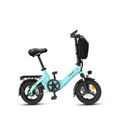
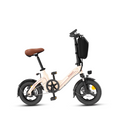
In dense cities where space is limited and public transport is often combined with cycling, portability matters. Many commuters prefer compact folding e-bikes such as the Bodywel T16 Pro.
It is especially useful if you:
- Live in an apartment with limited storage
- Combine cycling with metro or train commuting
- Need a flexible "last-mile" transport solution
👉 In these environments, convenience is everything.

Full Urban Commutes (Berlin, Milan, Warsaw, Hamburg)
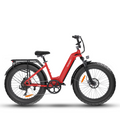
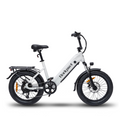
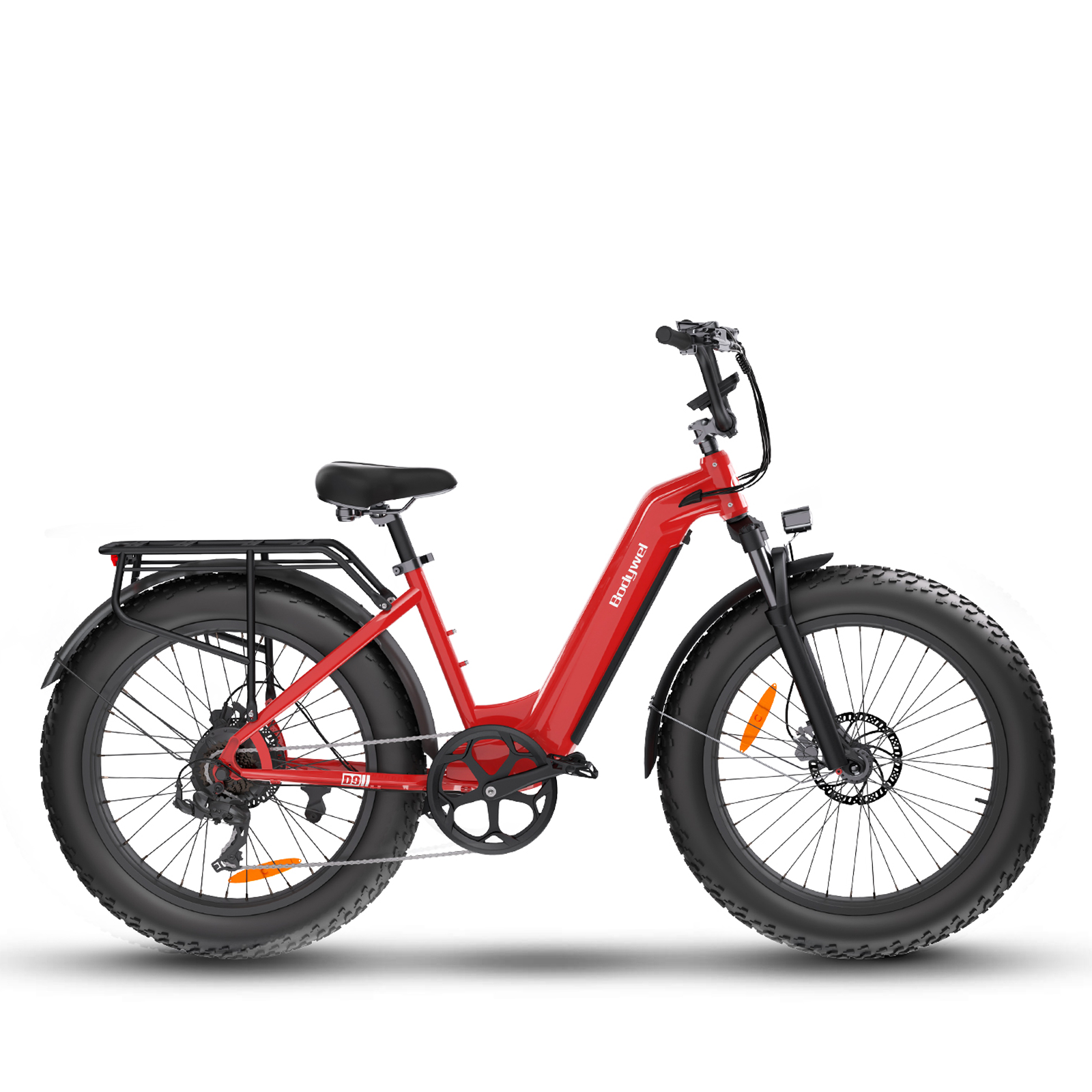
In larger cities where commuting distances are longer and roads are more open, stability becomes more important than compactness. Many riders prefer full-size commuter e-bikes like the Bodywel A26.
This type of bike is often chosen because:
- It offers a more natural riding position
- It feels stable on wet roads and longer rides
- It performs better for daily 10–25 km commutes
- It handles uneven or mixed urban terrain more confidently
👉 In rainy conditions, stability and predictability matter more than portability.
Essential Bike Setup for Rainy Weather
No matter what city you ride in, experienced commuters rely on a few key upgrades:
-
Fenders — Keep water and dirt off your clothes
-
Disc brakes — Provide more reliable stopping power in wet conditions
-
Wider tires — Improve grip on slippery roads
-
Strong lighting system — Visibility is not optional in rain
👉 These are not "nice-to-have" features — they are essential for daily riding.
What Rainy Cycling Looks Like Across Europe
Germany
Cities like Berlin, Hamburg, and Munich support year-round commuting with strong cycling infrastructure and disciplined traffic flow.
France
Paris has seen rapid growth in e-bike commuting, even in wet and cold seasons, especially for short urban trips.
Spain
Barcelona and Madrid experience sudden rain patterns, but cycling remains a common daily transport method.
Italy
Milan and Rome rely heavily on short-distance cycling and growing e-bike adoption in city centers.
Poland
Warsaw and Kraków are expanding cycling infrastructure, with commuters increasingly prioritizing efficiency and reliability.
Rainy Cycling Safety Rules That Actually Matter
Most accidents in rainy conditions don't come from rain itself — but from behavior. Here are the rules experienced commuters follow:
- Brake earlier than usual
- Avoid painted road markings when turning
- Slow down at intersections
- Keep lights on during daytime rain
- Don't ride through deep puddles blindly
👉 In rain, smooth riding beats fast riding.
Frequently Asked Questions
Is cycling in the rain normal in Europe?
Yes. In countries like Germany, France, the Netherlands, Spain, Italy, and Poland, cycling is part of daily transport — rain does not stop it.
Do I need special gear for rainy cycling?
Yes. Waterproof clothing, lights, and fenders significantly improve safety and comfort.
Are e-bikes useful in rainy weather?
Yes. E-bikes like commuter models help maintain stability, reduce effort, and make commuting more predictable in all weather conditions.
Final Thoughts
Cycling in rainy European cities is not about avoiding bad weather — it's about adapting to it. Across Europe, more commuters are discovering that with the right preparation and the right e-bike, rain becomes just another part of daily mobility.
Compact urban bikes like the Bodywel T16 Pro and stable commuter models like the Bodywel A26 represent two different but equally effective ways to ride through European city life.
👉 Because in modern cities, cycling doesn't stop when it rains. It simply continues — better prepared.