Complete Guide to Riding, Pedaling & Avoiding Range Anxiety
Electric bikes make commuting and longer rides much easier, but many riders still wonder: What happens if your eBike battery dies while you're riding?
The good news is that your eBike usually won't suddenly stop moving or become unsafe. In most cases, the motor simply stops providing assistance, and you can continue pedaling like a regular bike.
That said, the experience can feel very different depending on the type of eBike you ride, the terrain, battery size, and even weather conditions.
If you've ever worried about getting stranded mid-ride or dealing with "range anxiety," this guide explains what really happens when an eBike runs out of battery—and how to avoid it in the first place.
What Actually Happens When an eBike Battery Dies?
When an eBike battery reaches 0%, the electrical system stops supplying power to the motor. This means:
- Pedal assist turns off
- Throttle function stops working
- The display or lights may shut down
- Acceleration feels noticeably heavier
However, the bike itself still works normally from a mechanical standpoint. You can still:
- Pedal
- Steer
- Brake
- Shift gears
Just like you would on a traditional bicycle. For most riders, the biggest surprise is simply how much heavier the bike suddenly feels without motor assistance.
Can You Still Pedal an eBike Without Battery Power?
Yes — absolutely. Most electric bikes are designed so they can still be ridden even after the battery is fully depleted. But how easy that feels depends on the type of eBike.
For example:
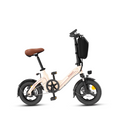
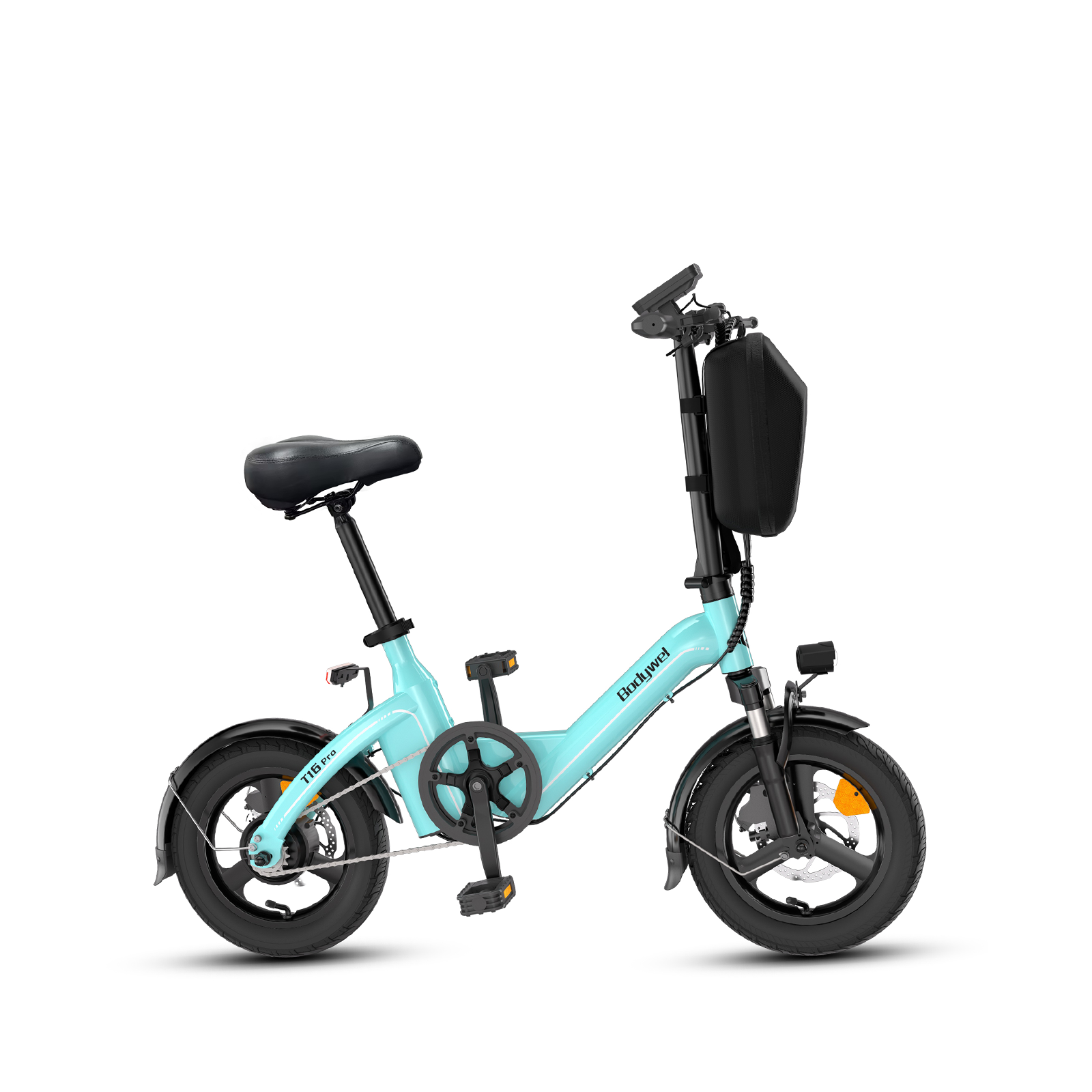
- Lightweight commuter eBikes are usually manageable
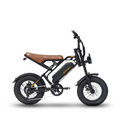
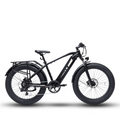
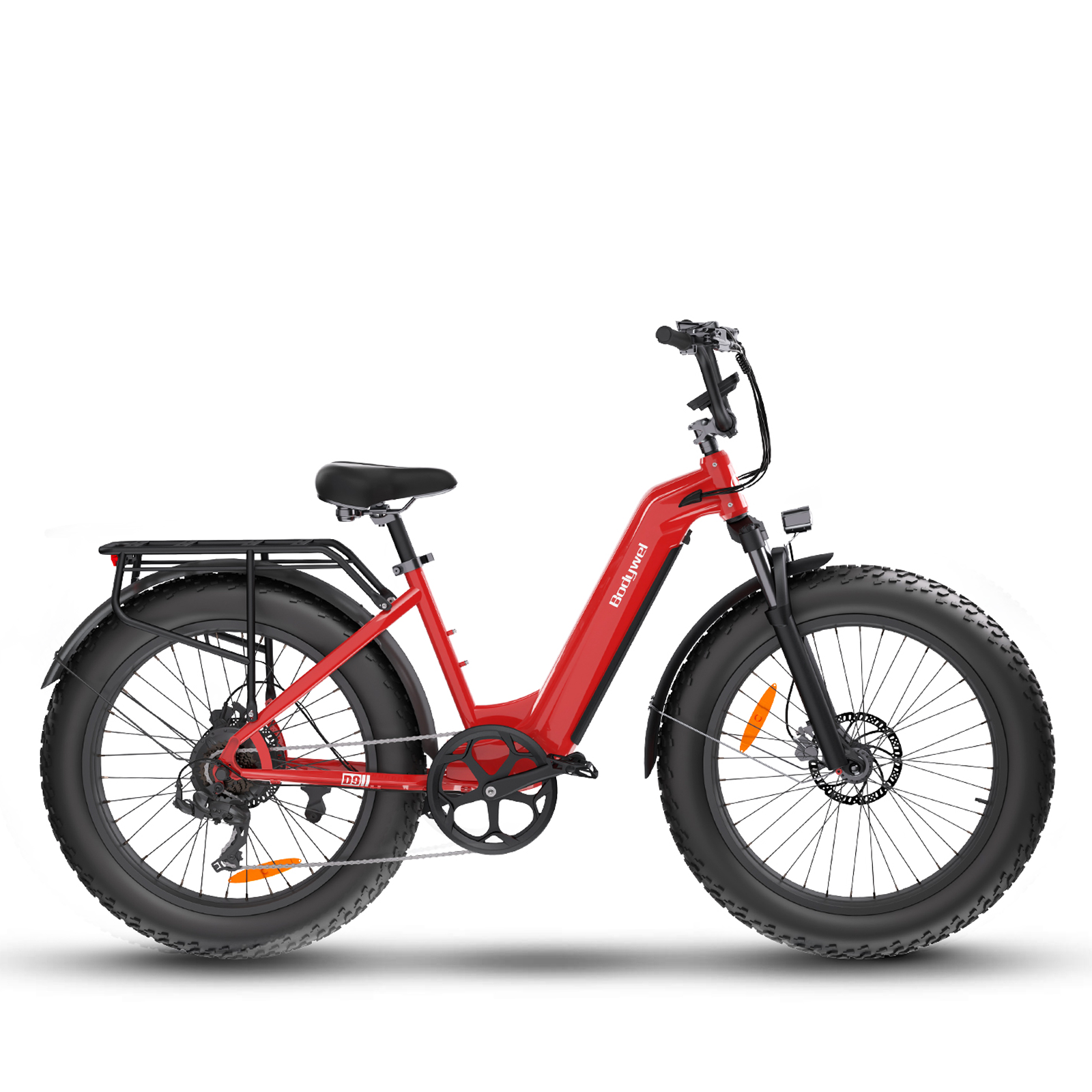
- Fat tire eBikes often require more effort
- Cargo eBikes can feel especially difficult on hills
👉 On flat roads, most riders can continue pedaling without too much trouble. Climbing hills, however, is where you'll really notice the extra weight and rolling resistance.
Why Some eBikes Feel Harder to Pedal Without Power?
Not all eBikes feel the same once the battery dies. Several factors affect how difficult the ride becomes.
Motor Type Matters
Hub motor eBikes generally pedal more freely after power loss because the motor operates independently from the drivetrain. Mid-drive systems can feel slightly more resistant since the motor is connected directly to the crank and chain system.
Bike Weight Plays a Big Role
A heavier eBike naturally requires more effort once pedal assist disappears. Weight usually comes from:
- Larger battery packs
- Suspension systems
- Cargo racks
- Fat tires
- Reinforced frames
This is one reason long-range or off-road eBikes can feel harder to ride without assistance.
Tire Design Changes the Riding Feel
Fat tires provide more comfort, better traction, and improved stability — but they also create more rolling resistance compared to slimmer commuter tires. That extra resistance becomes much more noticeable once the motor stops helping.
Why eBike Batteries Drain Faster Than Expected?
One reason riders experience range anxiety is because real-world battery range changes constantly. Even if your bike is rated for a certain mileage, factors like terrain and riding style can reduce actual range significantly.
High Assist Levels
Using maximum pedal assist all the time drains the battery much faster. Higher PAS levels increase motor output, acceleration, and energy consumption.
Hills & Steep Terrain
Climbing hills requires the motor to produce more torque, which uses more battery power. This is why mountain routes usually reduce range faster than flat city riding.
Rider Weight & Cargo
Additional weight forces the motor to work harder. This includes:
- Heavy backpacks
- Cargo loads
- Child seats
- Trailers
- Groceries
Wind Resistance & Cold Weather
Strong headwinds increase drag and reduce efficiency. Cold temperatures can also temporarily reduce lithium battery performance, which is why some riders notice shorter range during winter rides.
How Far Can You Ride After the Battery Dies?
There's no universal answer because it depends on rider fitness, bike weight, tire type, road conditions, and elevation.
Heavier eBikes with fat tires can become tiring fairly quickly, especially uphill. Lightweight commuter bikes usually feel easier to manage for longer distances.
👉 In many cases, riders can still comfortably pedal several miles home after losing battery power — as long as the terrain is manageable.
Does Running Out of Battery Damage the eBike?
Usually, no. Most modern eBikes include a Battery Management System (BMS) that protects the battery from issues like:
- Over-discharge
- Overheating
- Voltage instability
When the battery reaches a safe minimum voltage, the system automatically cuts motor power to protect battery health. Occasionally draining the battery completely is not a major problem, but doing it repeatedly can shorten long-term battery lifespan.
How to Prevent Your eBike Battery From Dying Mid-Ride?
-
Use Lower Assist Modes — Eco mode or lower PAS settings help conserve battery power during longer rides.
-
Check Tire Pressure Regularly — Proper tire pressure reduces rolling resistance and improves battery efficiency.
-
Avoid Carrying Unnecessary Weight — Extra cargo increases motor load and energy consumption.
-
Plan Longer Routes Carefully — If you're riding in hilly areas or cold weather, expect real-world range to be lower than advertised estimates.
What Is Range Anxiety?
Range anxiety is the fear that your battery will run out before you reach your destination. It's especially common among:
- New eBike riders
- Long-distance commuters
- Cargo bike users
- Riders exploring unfamiliar routes
👉 As riders become more familiar with their bike's real-world range, range anxiety usually becomes much less of a concern.
Final Thoughts
Running out of battery on an eBike is usually more inconvenient than dangerous. In most situations, you can still pedal home safely — even if the ride suddenly feels heavier and slower.
Understanding how factors like terrain, assist level, tire pressure, and rider weight affect battery range can help you avoid unexpected power loss and ride more confidently on longer trips.