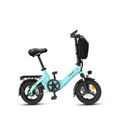
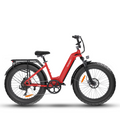
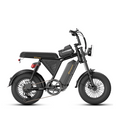
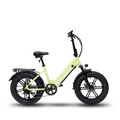
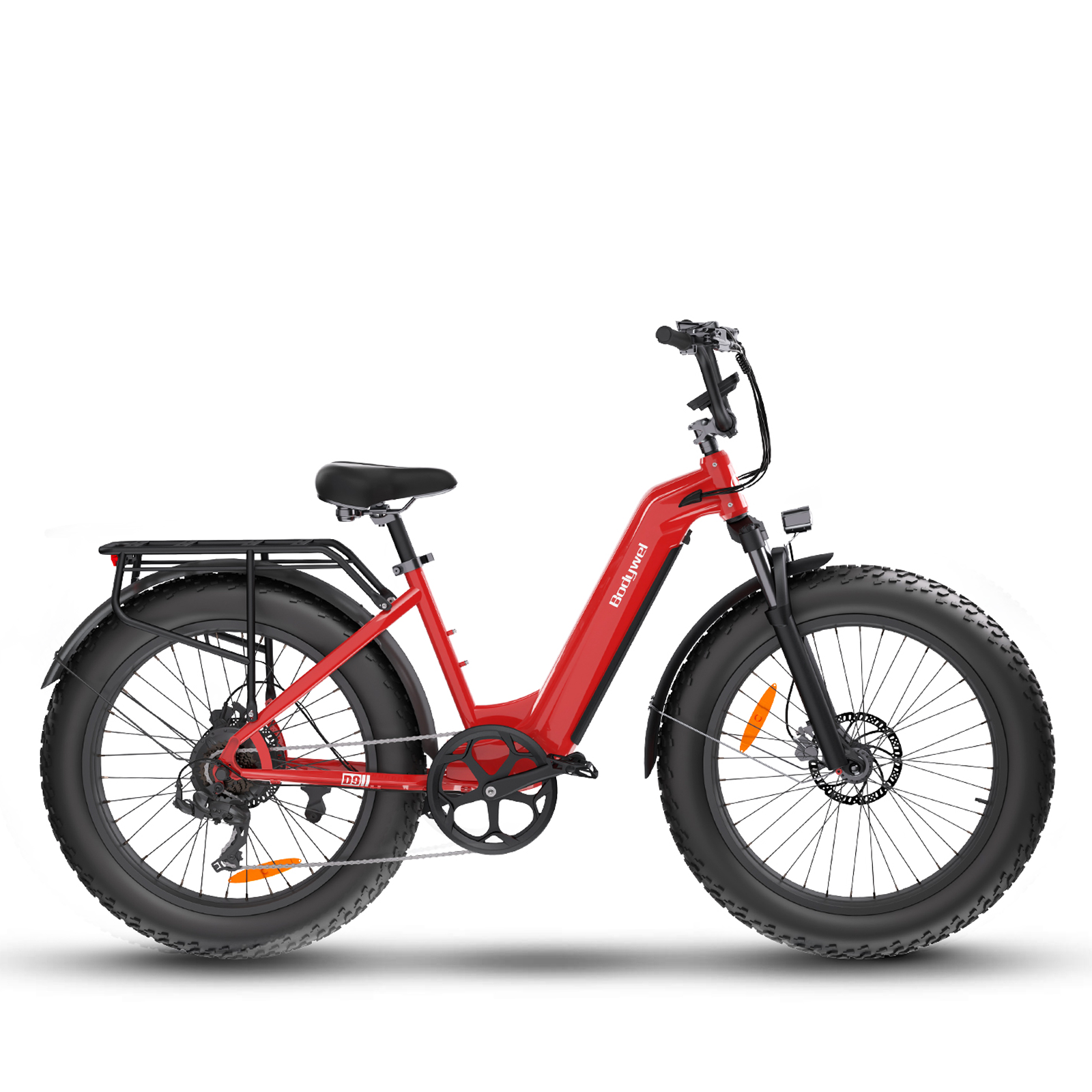
Wenn Sie Ihr E-Bike schon eine Weile fahren, lohnt es sich, auf Dinge zu achten, die sich langsam verändern. Eines davon ist der Sitz des Akkus. Oft sieht er auf den ersten Blick gut aus, aber nach Monaten des Fahrens können sich kleine Probleme entwickeln, ohne offensichtlich zu sein.
Vibrationen durch den täglichen Gebrauch, häufiges Entfernen des Akkus oder einfacher Verschleiß können die Sicherheit des Akkus beeinträchtigen. Wenn das passiert, treten Probleme eher allmählich als plötzlich auf.
Ein lockerer Akku ist nicht nur ärgerlich. In bestimmten Fällen beeinträchtigt er die Leistungsstabilität. In ernsteren Situationen kann dies zu schlechtem elektrischen Kontakt oder unerwarteten Abschaltungen während der Fahrt führen.
Dieser Artikel erklärt, wie sich lockere Akkus bei Bodywel E-Bikes typischerweise bemerkbar machen, warum das passiert und was vom Fahrer realistisch überprüft oder behoben werden kann.
Häufige Anzeichen eines lockeren Akkus
Lose E-Bike-Akkuverbindungen geben in der Regel Warnsignale. Sie sind nicht immer dramatisch, aber bemerkbar, wenn man aufmerksam ist.
Manchmal hören Fahrer ein klapperndes Geräusch, besonders auf unebenen Straßen. In anderen Fällen fährt sich das Fahrrad gut, aber das Display verhält sich merkwürdig. Der Akkustand kann ohne ersichtlichen Grund schwanken.
Plötzlicher Leistungsverlust ist ein weiteres häufiges Symptom. Der Motor setzt kurz aus und kommt dann wieder. Ladeprobleme können ebenfalls auf Kontaktprobleme hinweisen, selbst wenn das E-Bike-Ladegerät selbst normal funktioniert. Keines dieser Anzeichen sollte ignoriert werden, selbst wenn sie nur gelegentlich auftreten.

Akkutypen, die bei Bodywel E-Bikes verwendet werden
Bodywel-Modelle verwenden hauptsächlich zwei Akku-Designs. Wie sich Lockerheit entwickelt, hängt weitgehend davon ab, welchen Typ Ihr Fahrrad hat.
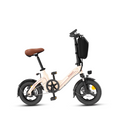
Interne Akku-Modelle (T16 Pro, T3)
Interne Akkus befinden sich im Rahmen. Dieses Design hält den Schwerpunkt stabil und schützt den Akku vor Witterungseinflüssen und direkten Stößen.
Mit der Zeit können jedoch ständige Vibrationen im Rahmen Steckverbindungen oder Montageschienen beeinträchtigen. In einigen Fällen führt ein kleiner Stoß oder das Umkippen des Fahrrads zu einem sehr kleinen Spalt, der von außen nicht sichtbar ist. Alternde Verbindungspunkte können ebenfalls die Stabilität beeinträchtigen.
Sobald ein interner Akku locker wird, kann die interne Verkabelung belastet werden. In seltenen Fällen kann dies zu Kurzschlüssen führen. Aus diesem Grund sollten Probleme mit internen Akkus vorsichtig behandelt und in der Regel vom Bodywel-Support überprüft werden, anstatt aggressive Reparaturen zu Hause durchzuführen.

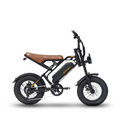
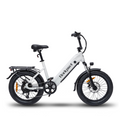
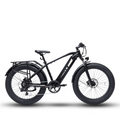
Externe Akku-Modelle (F20 Serie, M16, A26, D6)
Externe Akkus werden am Rahmen oder hinter der Sattelstütze montiert. Sie sind leichter zu entfernen und leiten die Wärme im Allgemeinen besser ab.
Da sie exponiert sind, verschleißen Montageteile wie Klammern, Schienen und Verriegelungsmechanismen schneller. Häufiges Entfernen zum Laden erhöht auch den Verschleiß an den Kontaktpunkten. Mit der Zeit können sich kleine Spalten bilden, die zu sichtbarem Wackeln führen.
Wird diese Bewegung ignoriert, kann dies Steckverbinder beschädigen oder wasserdichte Dichtungen beeinträchtigen, was das langfristige Risiko erhöht.
So überprüfen Sie, ob Ihr Akku sicher sitzt
Wenn Ihr E-Bike schon eine Weile in Gebrauch ist, kann eine einfache Inspektion helfen, Probleme frühzeitig zu erkennen.
Beginnen Sie mit einer visuellen und physischen Überprüfung. Schütteln Sie das Fahrrad oder den Akkubereich vorsichtig und achten Sie auf Bewegung oder Geräusche. Überprüfen Sie Schrauben, Schlösser und Schlitze genau.
Entfernen Sie anschließend den Akku und überprüfen Sie die Kontaktpunkte. Stifte und Schienen sollten sauber und gerade sein. Oxidation, dunkle Flecken oder Verformungen deuten auf schlechten Kontakt hin. Beim Wiedereinsetzen sollte der Akku vollständig einschieben und mit einem deutlichen Klick einrasten.
Schalten Sie das Fahrrad schließlich ein und bewegen Sie es vorsichtig erneut. Wenn das Display flackert oder die Stromversorgung unterbrochen wird, ist die Verbindung wahrscheinlich instabil.
Wann ein Fahrer das Problem beheben kann
Interne Akkus
Eine grundlegende Lade Wartung ist ausreichend. Wenn ein Problem aufgetreten ist und vom Bodywel-Support empfohlen wird, können Steckverbinder vorsichtig abgezogen und wieder eingesetzt werden. Schrauben können überprüft und vorsichtig angezogen werden. Übermäßiges Anziehen sollte vermieden werden.
Wenn ein Spalt sichtbar ist, versuchen Sie keine improvisierten Reparaturen. Kontaktieren Sie zuerst den Support. Einige Situationen erfordern spezielle Teile oder eine professionelle Inspektion.
Externe Akkus
Externe Akkus ermöglichen direktere Überprüfungen.
Staub oder Schmutz an den Kontaktflächen sollten entfernt werden. Testen Sie nach dem Wiedereinsetzen die Stabilität durch vorsichtiges Schütteln des Fahrrads.
Bleibt die Bewegung bestehen oder treten weiterhin Stromprobleme auf, wird eine professionelle Beratung empfohlen.
Wichtig:
Besteht der Verdacht auf interne Lockerheit oder Probleme mit dem elektrischen Kontakt, versuchen Sie keine tiefgreifenden Do-it-yourself-Reparaturen. Unsachgemäße Handhabung kann weitere Schäden verursachen oder die Garantie erlöschen lassen.
Vermeidung von Akku-Lockerheit im Laufe der Zeit
Regelmäßige Pflege reduziert das Risiko zukünftiger Probleme. Verwenden Sie nur Original-Akkus und Montagekomponenten. Falsche Ersatzteile passen oft nicht richtig.
Halten Sie Akkufächer sauber, insbesondere bei abnehmbaren Designs. Vermeiden Sie das Einsetzen oder Entfernen von Akkus bei starkem Regen. Stellen Sie immer sicher, dass die Anschlüsse trocken sind.
Nehmen Sie sich alle paar Monate ein paar Minuten Zeit, um Schienen, Clips und Schrauben zu überprüfen. Eine frühzeitige Erkennung verhindert in der Regel größere Probleme.
Schlussbemerkungen
Lose Akkus sind häufig, insbesondere bei regelmäßig genutzten E-Bikes. Obwohl sie anfangs oft geringfügig sind, beeinträchtigen sie direkt die Sicherheit und Fahrzuverlässigkeit.
Das Verständnis Ihres Akku-Typs und die Durchführung einfacher Überprüfungen hilft, plötzlichen Leistungsverlust und unnötigen Verschleiß zu vermeiden. Ein sicher montierter Akku bleibt eine der wichtigsten Grundlagen eines sicheren und zuverlässigen Bodywel Hybrid-E-Bikes.